
Home Golf Simulators
How much space does a premium home golf simulator bay actually require?
The room, not the hardware, decides which setups are possible. Here is how to measure honestly before you shop.
Practical, honest advice from the team behind Golfbayr, written to help you do this well.
The room, not the hardware, decides which setups are possible. Here is how to measure honestly before you shop.
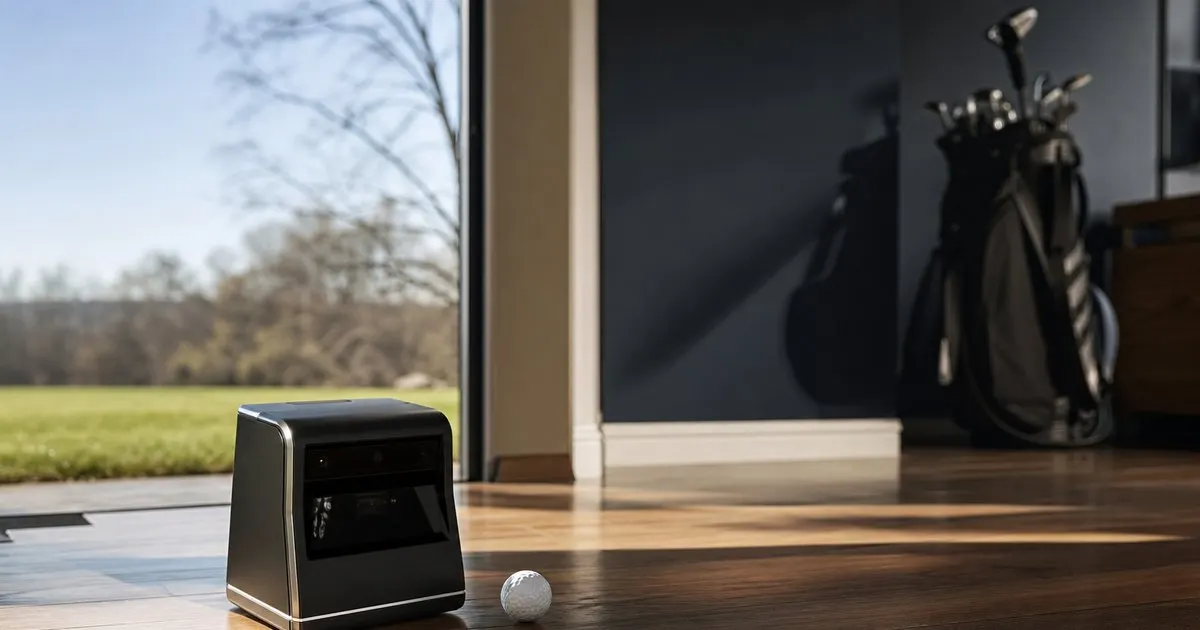
Radar and camera based systems read your game differently. Here is how to judge accuracy for a home bay.
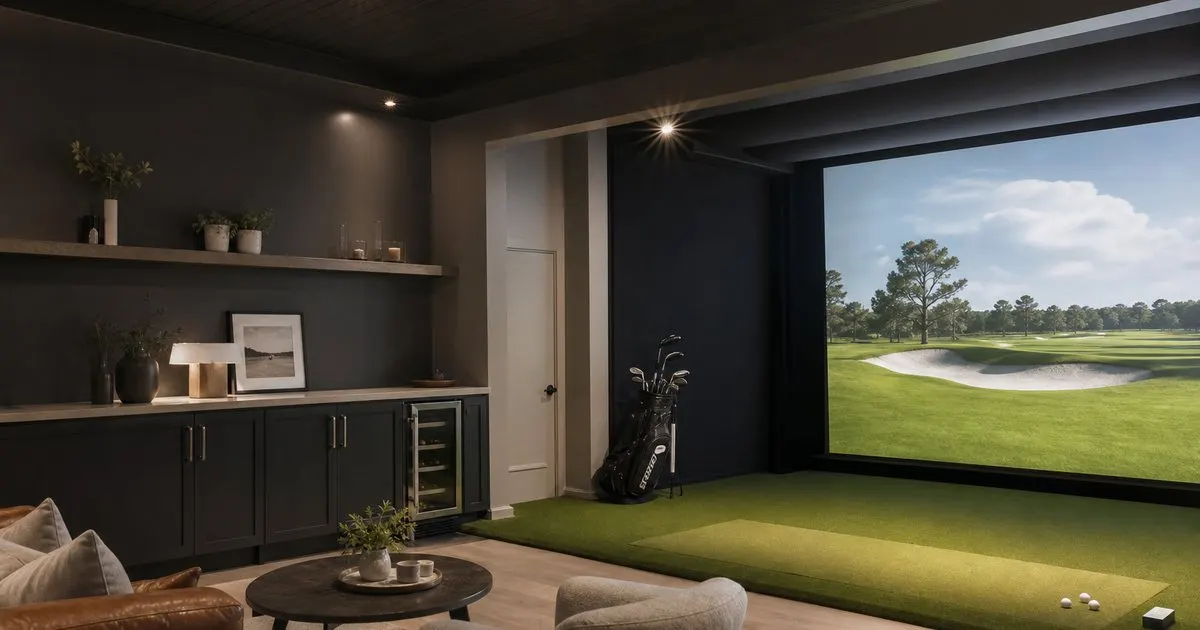
The jump in price buys accuracy, image, acoustics, and finish. Here is where the money actually goes.
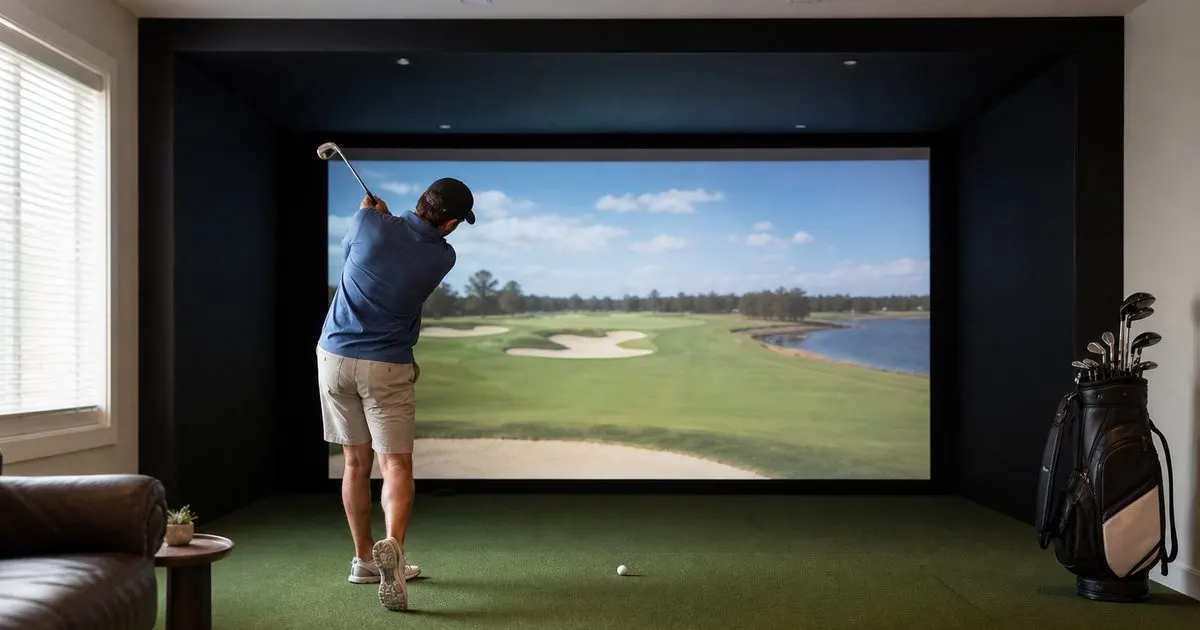
Mounting affects image quality, shadows, and how the room feels. Here is how to decide for your space.
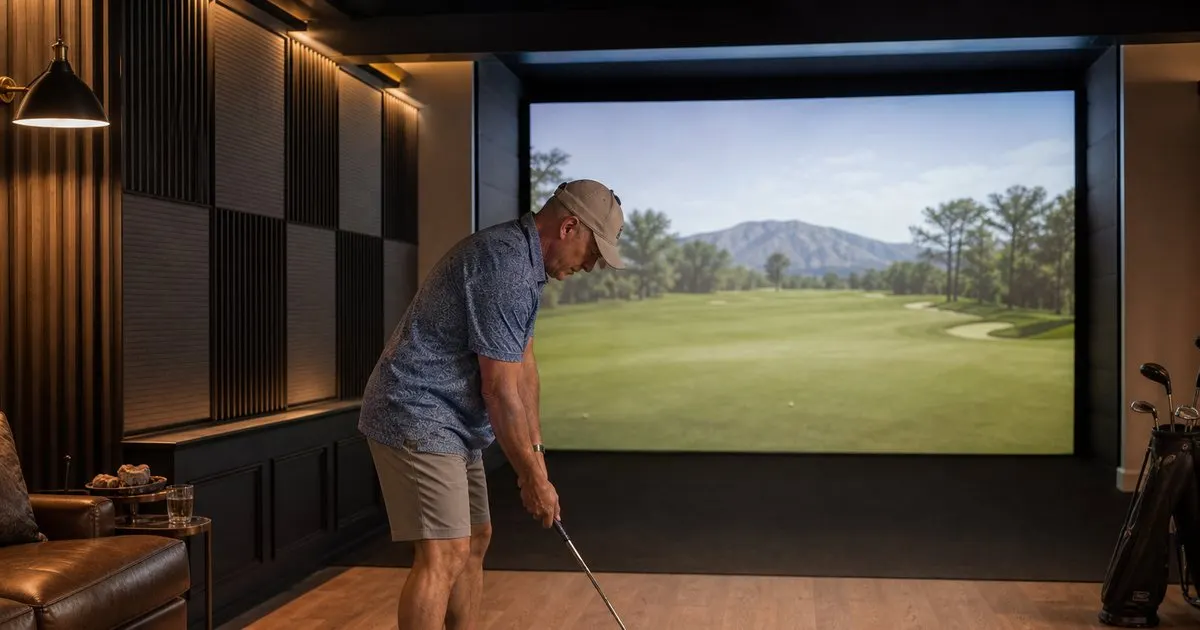
Impact noise travels through structure, not just air. Here is how a bay is kept quiet enough for early mornings.
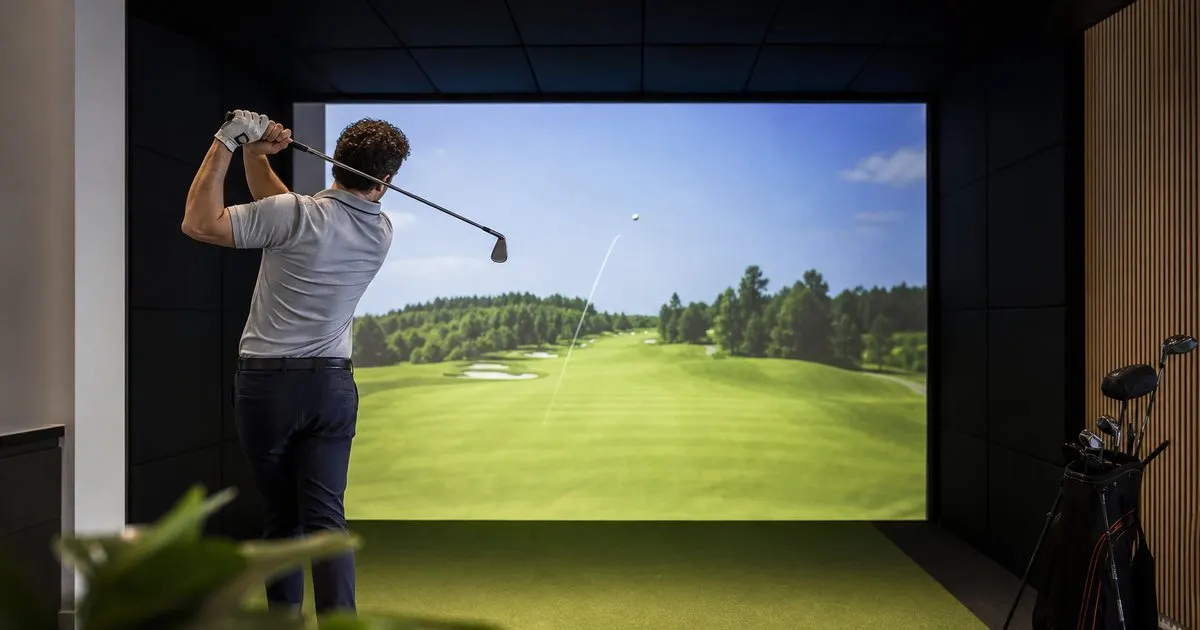
The screen shapes the image, the noise, and the lifespan of the room. Here is why it deserves attention.

The data is only useful if you use it. Here is what actually drives improvement at home.
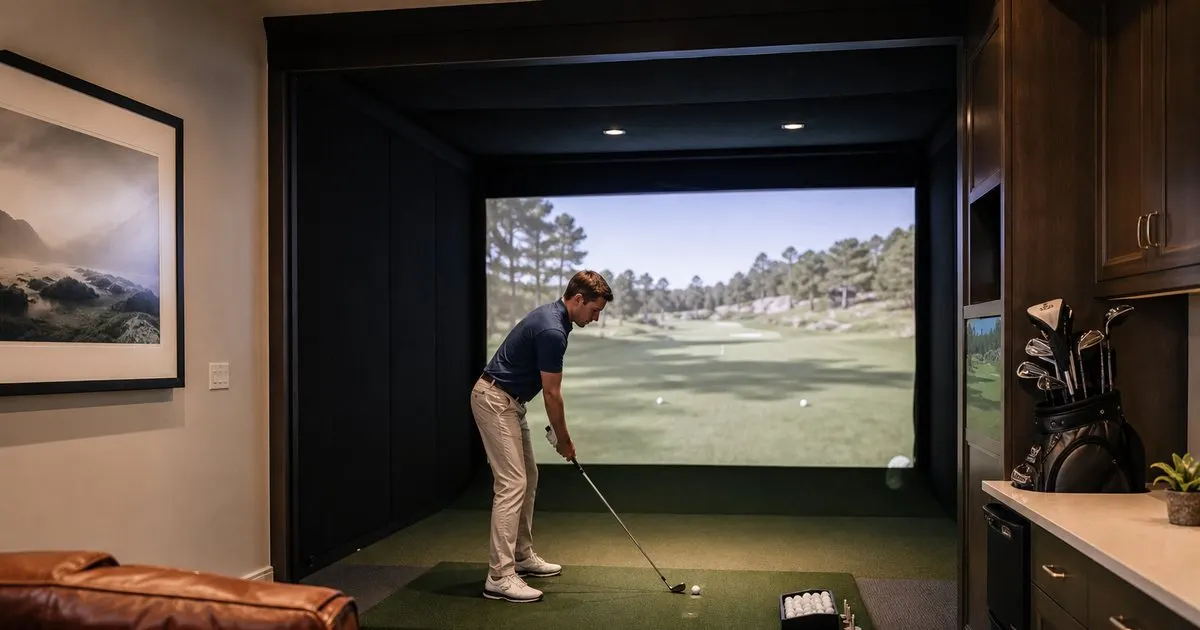
Timing depends on your space, your play, and your commitment. Here is how to know you are ready.
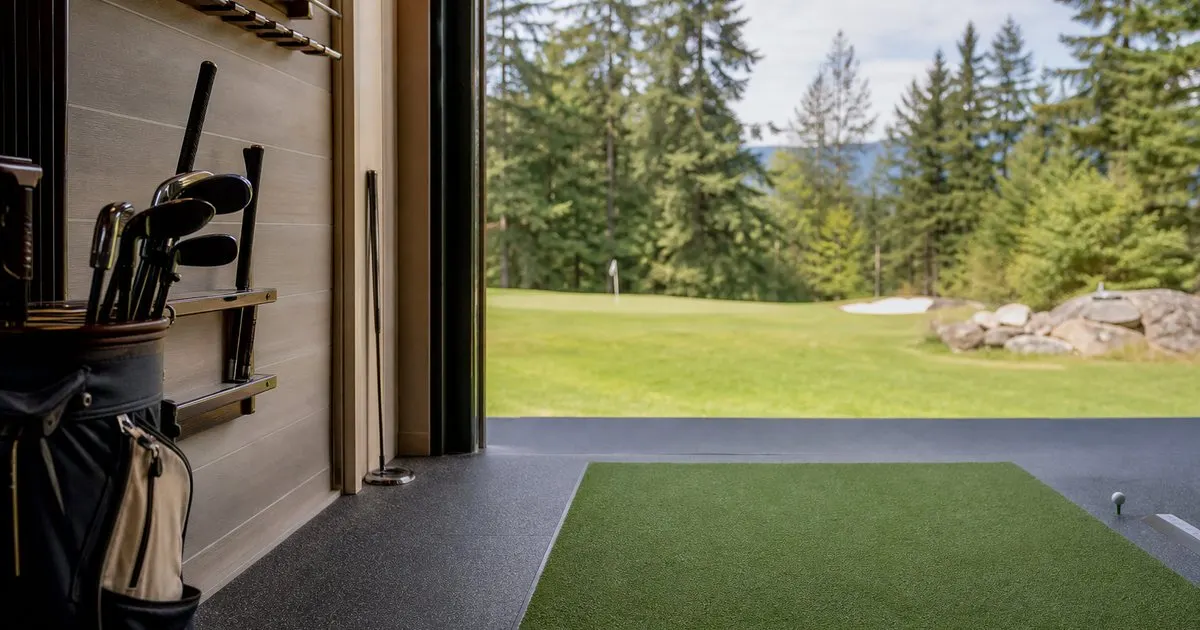
A bay is largely low maintenance, with a few parts that wear. Here is what to expect over time.

Throw ratio, brightness and mounting position decide whether the image on your impact screen reads like a window onto the course or a washed out rectangle. This guide walks through the choices in the order an installer would make them.

The mat is the one component you touch on every swing. It shapes the feedback you receive, the strain on your joints and even the numbers your sensors report, yet it often appears as an afterthought on the quote.

Course counts and screenshots sell subscriptions, but ball flight modeling, practice analytics and multiplayer stability decide whether the bay gets used every week or gathers dust behind the sofa.
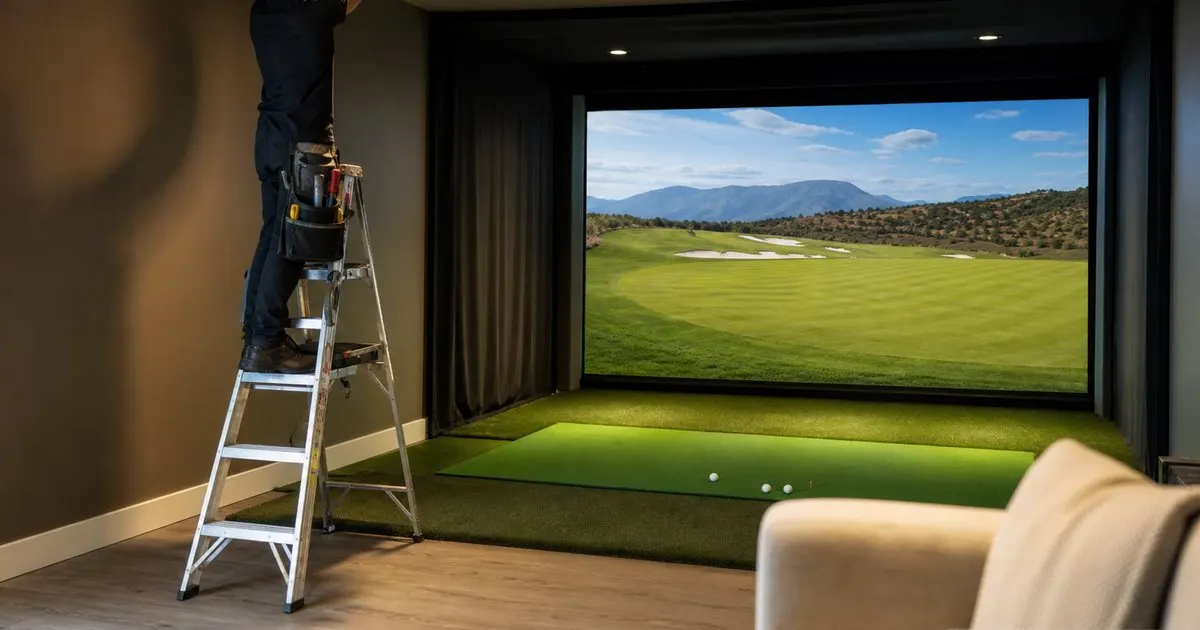
Lighting in a bay serves two clients at once: the golfer who needs to see the ball and the sensors that need clean, flicker-free conditions. The compromises are manageable when they are planned before the ceiling closes.
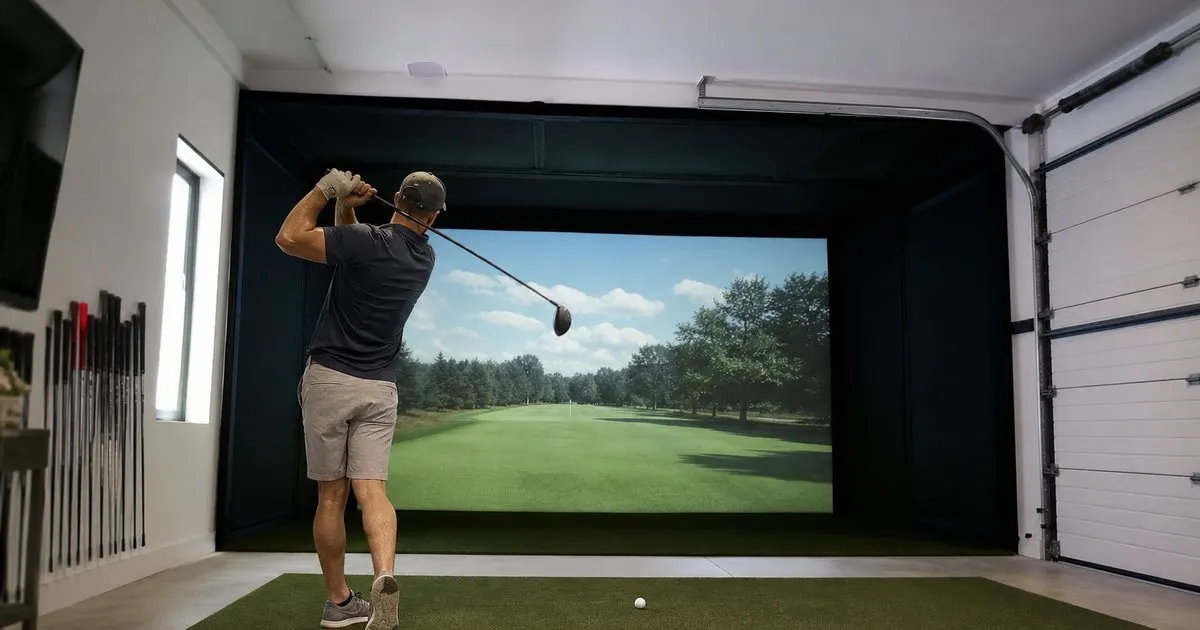
A garage offers the ceiling height and footprint that most interior rooms lack, but it brings temperature swings, a sloped concrete floor and a door that wants to leak air. A sound plan handles all three before any equipment arrives.
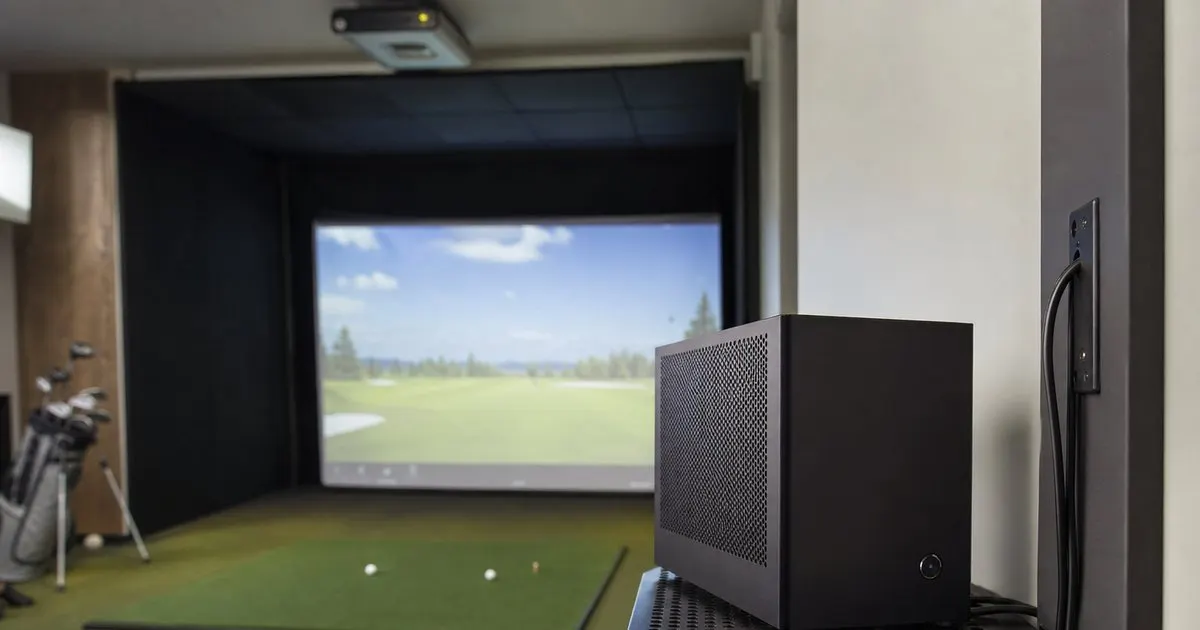
The computer is the least glamorous item on the quote and the one most likely to bottleneck an otherwise excellent bay. Here is what actually drives performance, and what you can safely skip.
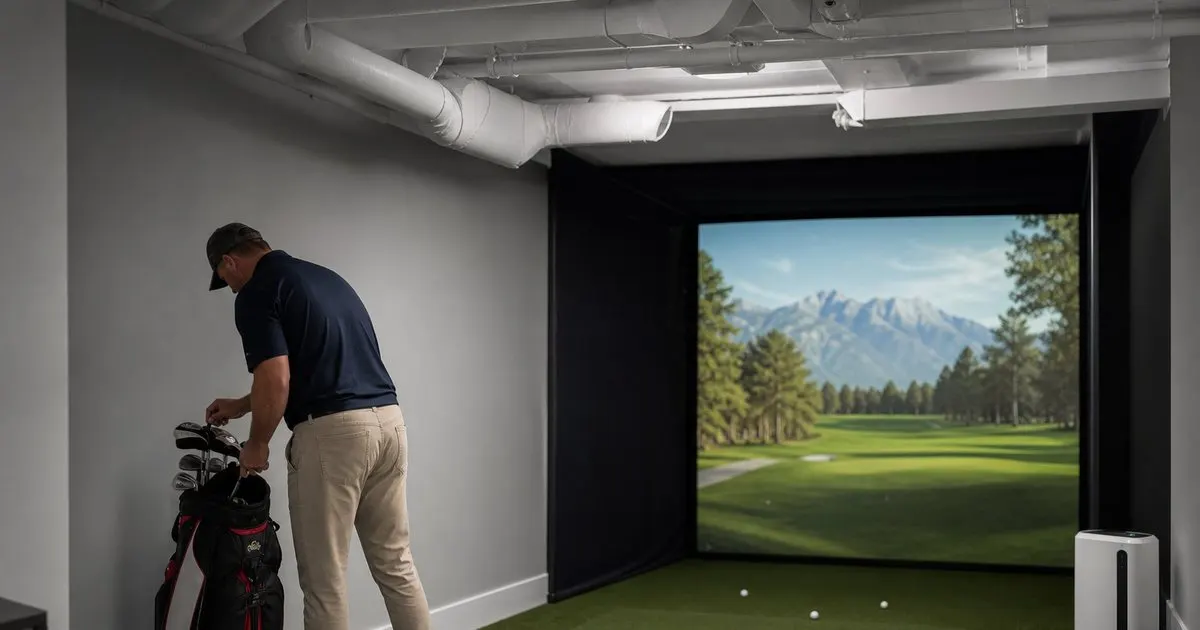
Basements offer quiet and generous footprints, but they trade those for damp air and cool slabs. Knowing when conditions begin to threaten screens, mats and electronics keeps a luxury bay from aging years ahead of schedule.
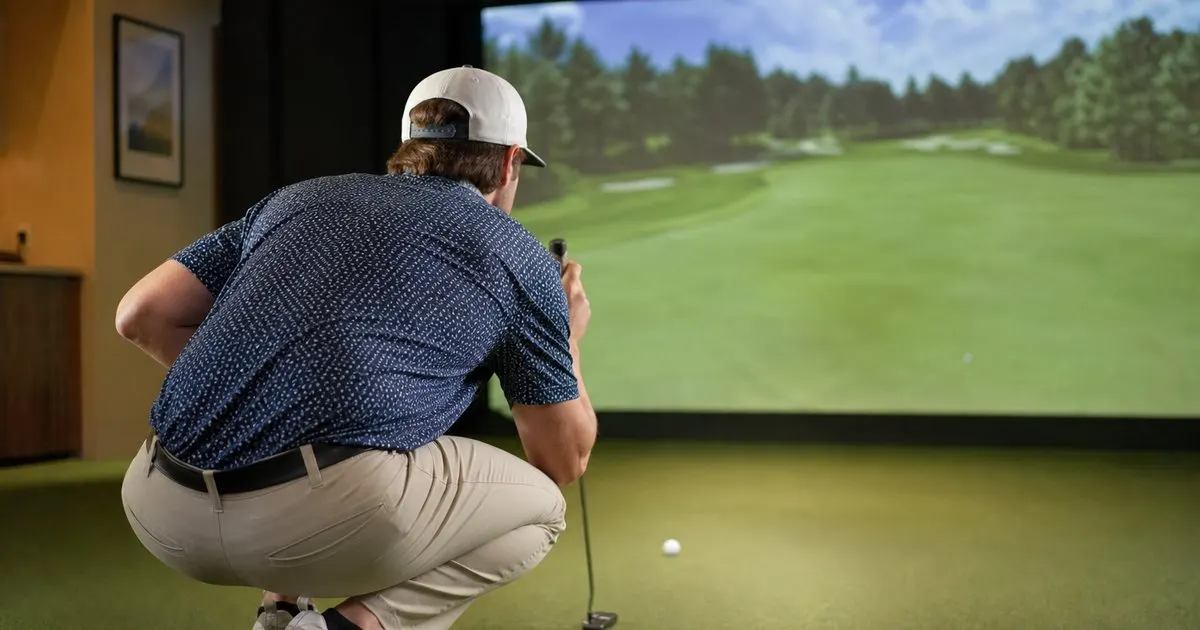
Full shots feel convincing on a good bay, then the ball reaches the green and the illusion thins. Understanding why helps you choose a setup, and a set of expectations, that keeps the short game honest.

A household with golfers who swing from opposite sides needs more than a reversible mat. The launch monitor, the enclosure and the room itself each have a preferred side, and a plan that respects all three keeps everyone playing without a reshuffle.
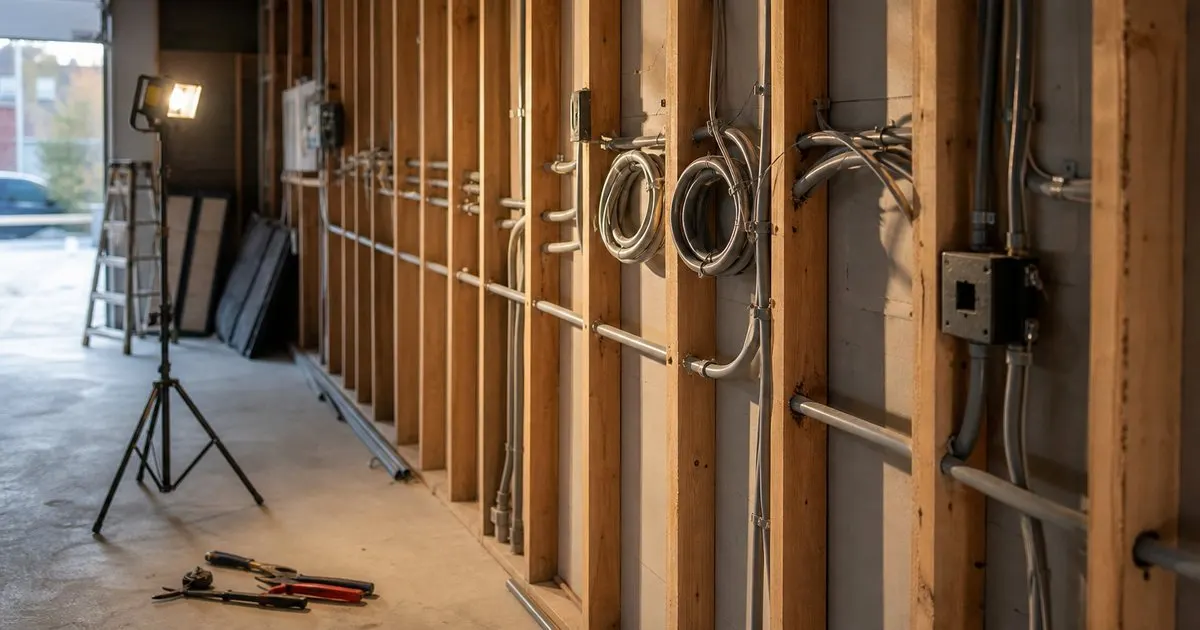
Power and data are the two systems buyers plan last and regret first. Here is how to size circuits, place outlets and run wired networking before the drywall closes.
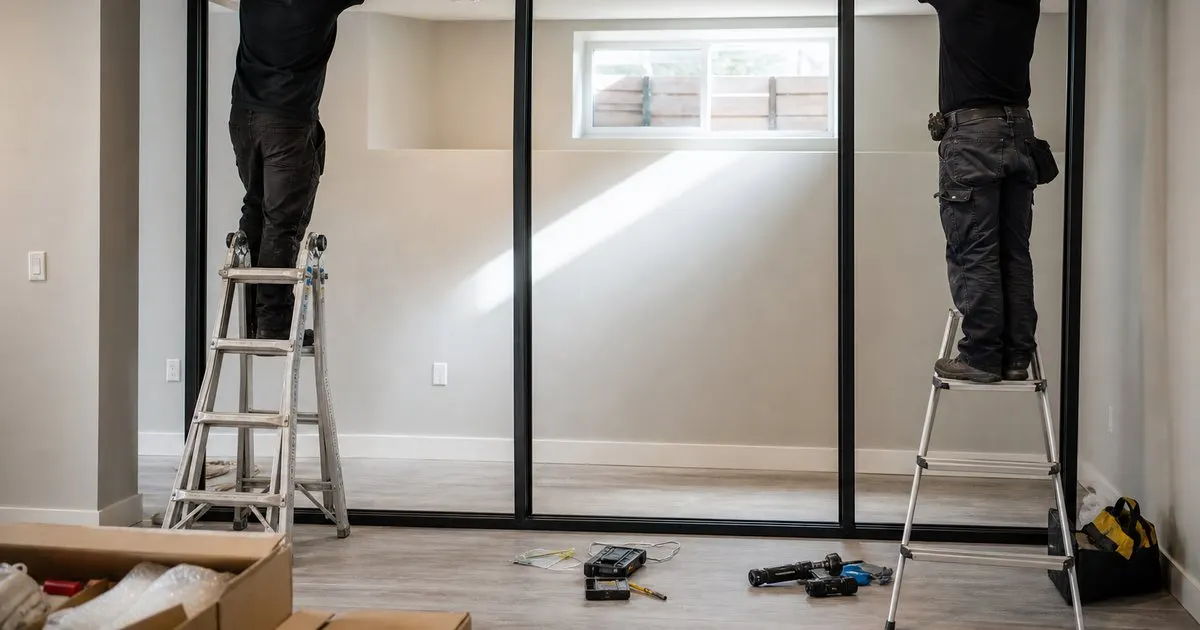
A full turnkey installation is not the only choice, and neither is doing everything yourself. This is how to split the work so you pay for expertise where it changes the result.