How much space does a premium home golf simulator bay actually require?
The room, not the hardware, decides which setups are possible. Here is how to measure honestly before you shop.
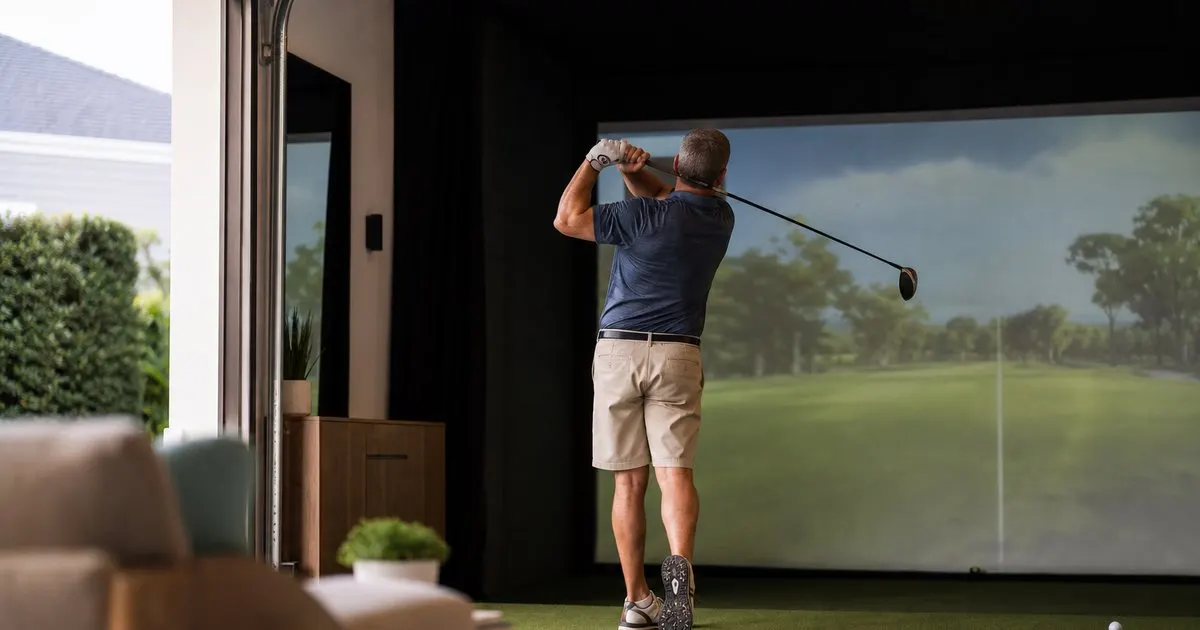
A comfortable premium bay generally wants nine to ten feet of ceiling at its lowest point, enough width to stand beside the screen and swing freely, and depth for safe ball flight. Taller players need more height. Measure the real room, including beams and fixtures, before choosing any hardware.
Height comes first
Ceiling height is the constraint that rules out more rooms than any other. Most adult swings want nine to ten feet of genuine clearance measured at the lowest point, not the peak of the ceiling. Related: Why does impact screen quality matter more than most buyers expect?
Taller players and steeper swings sit at the upper end of that range. Measure with a club in hand and a full follow through, because a driver at the top of the backswing is where compromises show.
Keep reading: Which launch monitor technology gives the most accurate readings for home use?, What separates a five thousand dollar bay from a fifteen thousand one?, Should you choose a ceiling mounted or floor standing simulator setup?. See how Golfbayr helps you the complete guide to premium home golf simulators.
Width and depth
A comfortable bay needs room to stand off to the side of the screen and to swing without brushing a wall. Both right and left handed use, if relevant, widens the requirement further. Related: How do you light a home golf simulator bay without confusing the launch monitor?
Depth matters for the ball flight the launch monitor needs to read and for a safe distance between you and the screen. A cramped depth compromises both accuracy and peace of mind. Related: Which launch monitor technology gives the most accurate readings for home use?
Clearance around the golfer
It is easy to plan for the club and forget the person. You need space behind and beside you, not just above, so the swing feels natural rather than guarded.
Obstructions like beams, light fixtures, and ductwork should be mapped before anything is ordered. A single low joist can quietly limit which clubs you can use freely.
Working with a tight room
If the room is short on height, a flatter swing or a focus on irons and short game can still make a bay worthwhile. Honesty about the limits keeps you from disappointment.
Where the space simply cannot take a full driver, it is better to know now. A well used iron and putting bay beats a full setup you flinch through.
- Measure ceiling height at the lowest point, with a full swing in mind
- Plan width for standing beside the screen and both hands if needed
- Map beams, lights, and ducts before ordering anything
- A tight room can still suit an iron and short game focus

Julien Jimenez
Julien Jimenez is an independent software builder based in Paris. He designs, ships, and operates focused SaaS products for small businesses and independent professionals. Read the full author page.
Frequently asked questions
Is nine feet always enough?
For many players yes, but tall golfers or steep swings may want ten feet or more. Measure your own full swing rather than trusting a general figure.
Can a low ceiling ever work?
It can for irons, short game, and putting. A full driver swing is where low ceilings become a real limit, so plan the bay around the clubs you can actually use.
Your Game, Ready Every Morning
The complete guide to premium home golf simulators. Golfbayr is built to help you put this into practice.
Build your bayMore from the Golfbayr blog
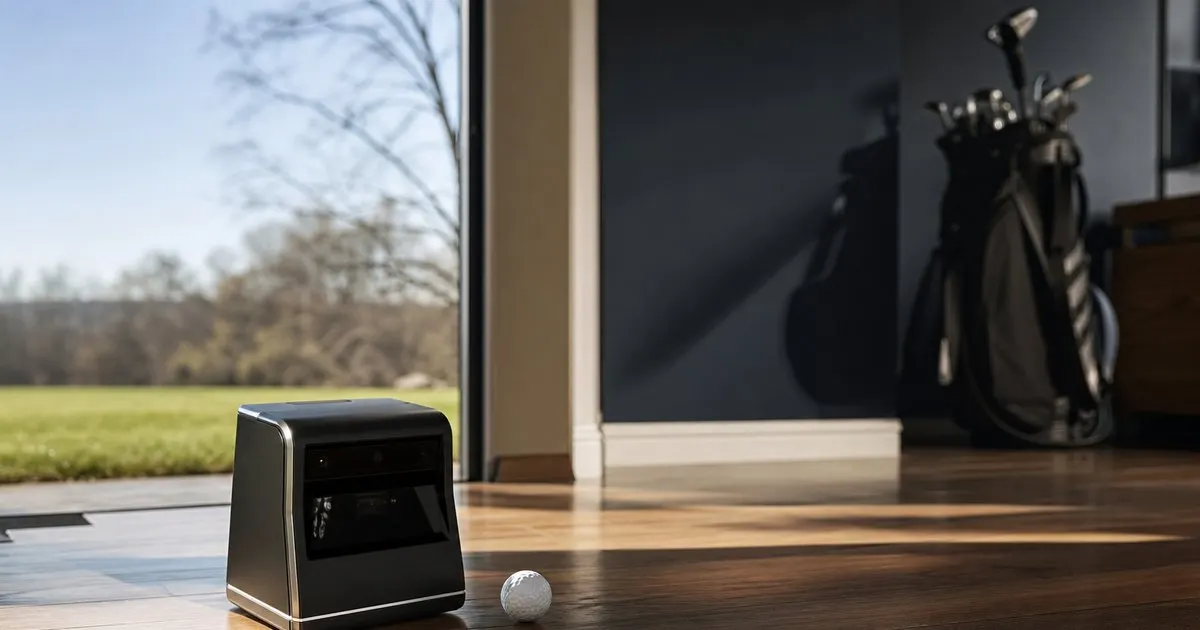
Which launch monitor technology gives the most accurate readings for home use?
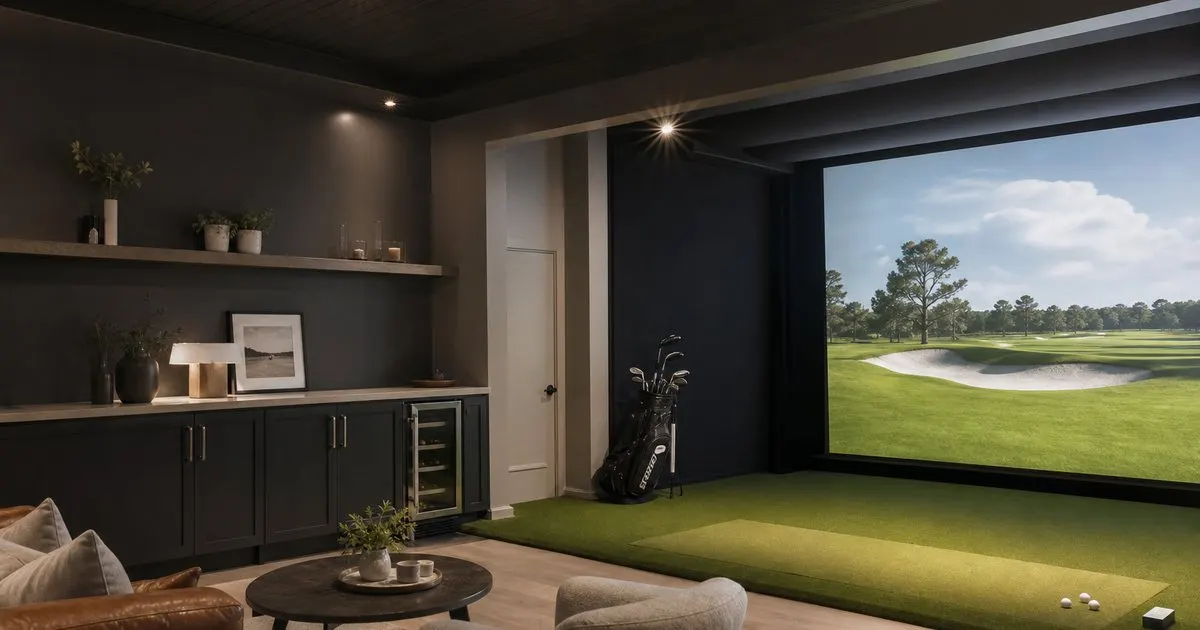
What separates a five thousand dollar bay from a fifteen thousand one?
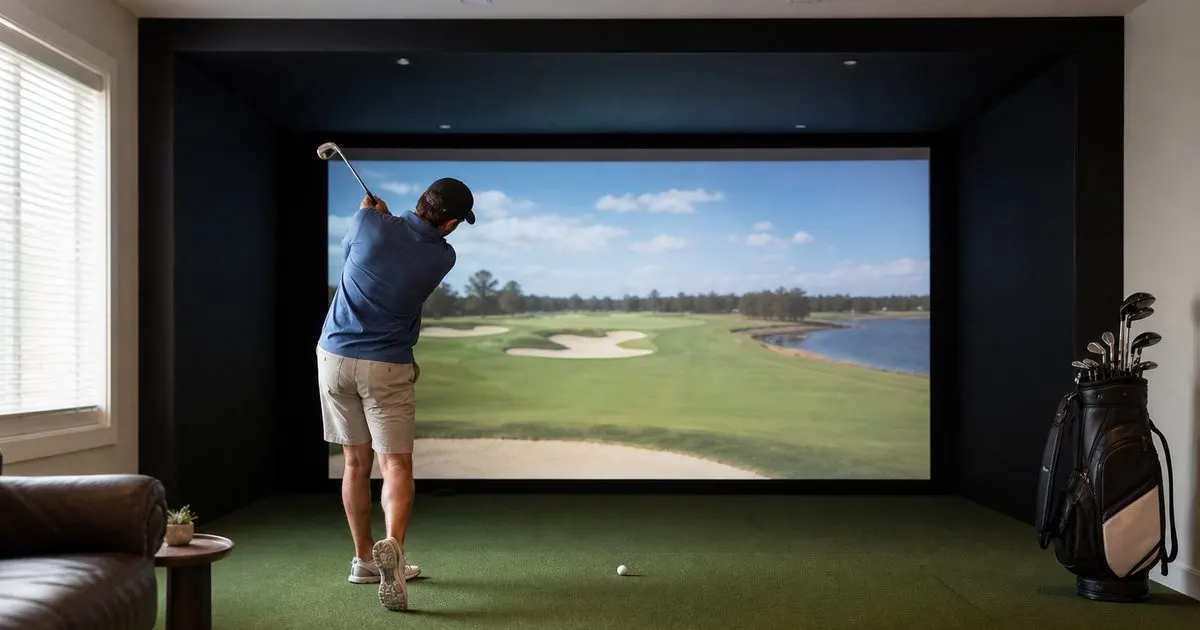
Should you choose a ceiling mounted or floor standing simulator setup?
Get the complete home golf simulators guide
Our full buying guide, the price guide, and new research as we publish it. One email, no spam, unsubscribe any time.