Which parts of a home golf simulator build should you hand to a professional installer?
A full turnkey installation is not the only choice, and neither is doing everything yourself. This is how to split the work so you pay for expertise where it changes the result.
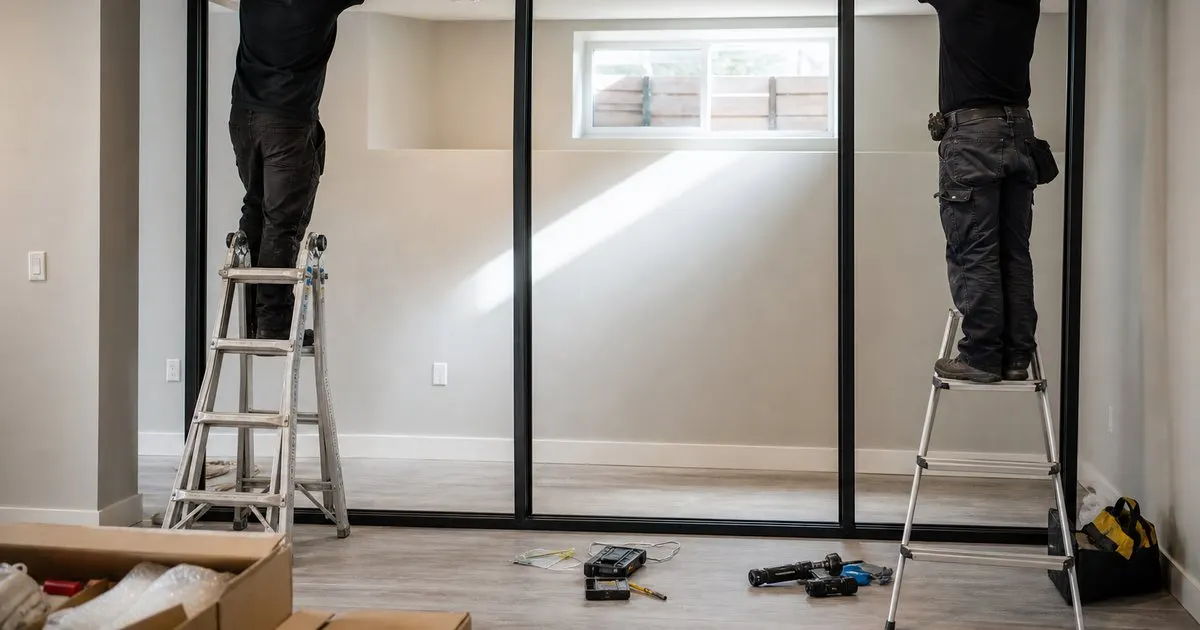
A simulator build is four trades wearing one name
The phrase golf simulator installation hides at least four different kinds of work. There is construction, meaning framing, mounting into structure, and any change to the room itself. There is electrical, which is regulated everywhere and inspected in many places. There is audio visual work, meaning projector geometry, image alignment and calibration. And there is the golf specific layer, meaning where the launch monitor sits relative to the ball, how the screen is tensioned, and whether the numbers the system reports match reality. A single installer may cover all four, or subcontract two of them, and the price you are quoted rarely says which. Related: How much space does a premium home golf simulator bay actually require?
That split is useful because the four are not equally risky. Getting the cable management wrong is an afternoon of annoyance. Getting a ceiling mount wrong is a projector on the floor. Once you sort the work by what a mistake actually costs, the decision stops being an all or nothing choice between doing it yourself and buying a package, and becomes a straightforward question of where outside expertise changes the outcome enough to pay for it. Related: Should you choose a ceiling mounted or floor standing simulator setup?
Keep reading: How much space does a premium home golf simulator bay actually require?, Which launch monitor technology gives the most accurate readings for home use?, What separates a five thousand dollar bay from a fifteen thousand one?. See how Golfbayr helps you the complete guide to premium home golf simulators.
What a capable owner genuinely can do well
Enclosure assembly is the clearest example. Modern frame kits are designed to go together with hand tools and printed instructions, and the work is slow rather than difficult. Two people over a weekend is a typical pace for a full enclosure, and the result is not meaningfully better when someone bills for it. The same applies to laying out the mat and surrounding flooring, hanging side and ceiling netting, fitting blackout curtains, installing the simulation software and setting up the computer, and doing the cable management properly, which most owners do with more patience than a crew working against a schedule.
Preparation is the other place where owner effort pays disproportionately. Clearing the room completely, confirming the finished floor is level, painting before anything is mounted, and measuring the actual swing clearance with a club in hand all belong to you. If you do hire installers, arriving to a genuinely empty and ready room shortens the visit and reduces the chance of a change order. If you do not, you have removed most of the conditions that cause a self build to go sideways.
Where amateur work tends to cost money later
Anything that transfers load to the building is the first category to hand over. A projector mount, a ceiling hung enclosure and a screen frame all need to land in structure rather than in drywall, and identifying joists correctly, choosing the right fasteners and accounting for the dynamic load of a struck screen is a trade skill. Electrical work is the second, and in most places it is not a matter of preference: circuits, boxes and any panel work belong to a licensed electrician, and a garage conversion may require permits and inspection regardless of who does the labour. Related: Why does impact screen quality matter more than most buyers expect?
The third category is calibration, and it is the one owners most often underestimate because nothing looks broken. A projector that is close to square, a screen that is close to flat, a mat surface that sits slightly proud of the surrounding floor, and a launch monitor that is a degree off level will all produce a bay that works and yet quietly misreports. Those errors are cumulative and hard to diagnose from inside, because the system reports its numbers with the same confidence either way. A professional handoff that includes verified alignment and a documented calibration is worth paying for on its own, even when you have built everything else. Related: Which launch monitor technology gives the most accurate readings for home use?
How to buy installation without buying a package you do not need
Ask for the install to be quoted as line items rather than a single figure. A good installer will happily break out the site survey, the mounting work, the enclosure build, the calibration and the handoff session, and once those are separate you can decline the parts you intend to do yourself. Ask specifically what the calibration handoff includes, whether they leave documentation of the settings, and what happens if the numbers drift after they leave. Confirm licensing and insurance for any work touching structure or power, and ask how warranty coverage on the equipment is affected by self installation, because some manufacturers treat that differently and it is better learned before the box is opened.
The hybrid approach suits most premium buyers. Hire out the site survey, the electrical, the structural mounting and the final calibration. Keep the assembly, the flooring, the cable work and the software for yourself. You end up paying for the hours that genuinely change the finished bay and keeping the ones that mostly consume a weekend. We may earn a commission when readers buy through some links on this site, which is exactly why we would rather tell you which parts of a quote you can decline than send you toward the largest package on the price list.
- Sort the work by what a mistake costs, not by whether you feel capable of attempting it.
- Enclosure assembly, flooring, netting, cabling and software setup are well within reach of a careful owner.
- Hand over structural mounting, all electrical work and the final calibration, and confirm licensing and permits.
- Ask for a line item quote so you can decline the parts you intend to handle yourself.

Julien Jimenez
Julien Jimenez is an independent software builder based in Paris. He designs, ships, and operates focused SaaS products for small businesses and independent professionals. Read the full author page.
Your Game, Ready Every Morning
The complete guide to premium home golf simulators. Golfbayr is built to help you put this into practice.
Build your bayMore from the Golfbayr blog

How much space does a premium home golf simulator bay actually require?
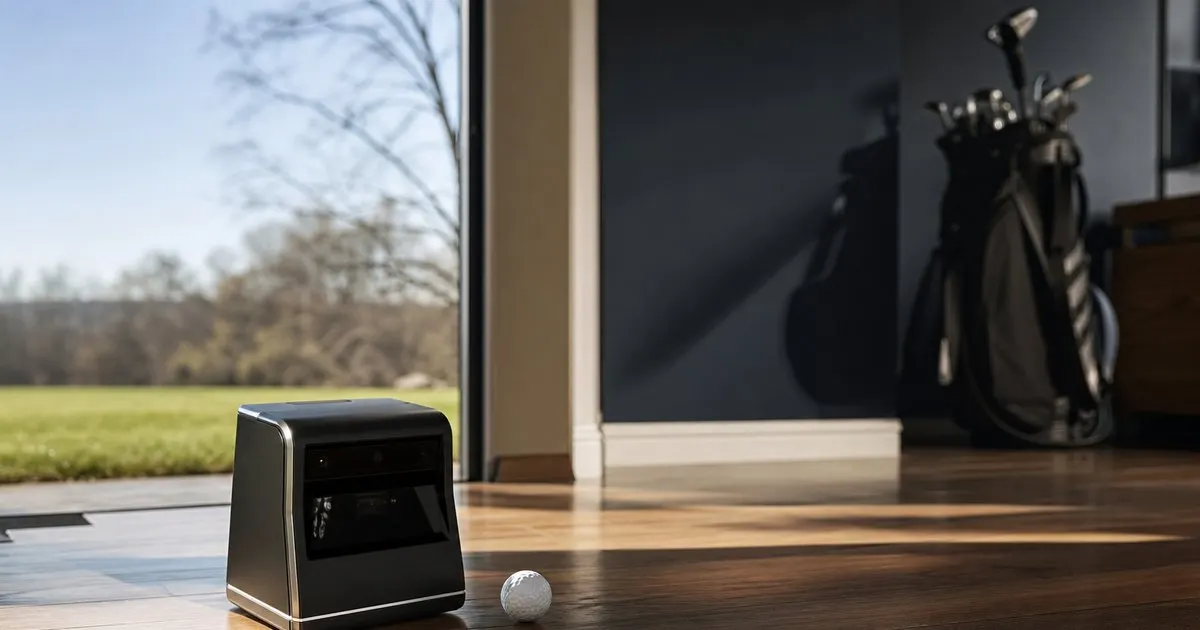
Which launch monitor technology gives the most accurate readings for home use?
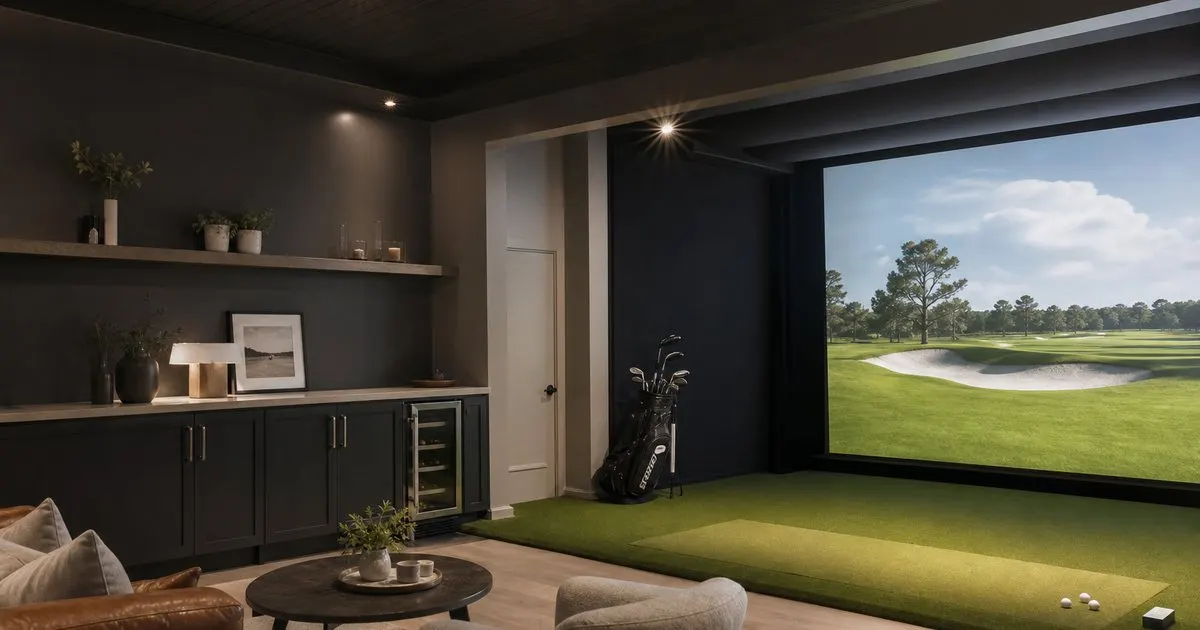
What separates a five thousand dollar bay from a fifteen thousand one?
Get the complete home golf simulators guide
Our full buying guide, the price guide, and new research as we publish it. One email, no spam, unsubscribe any time.